SPC Flooring Buying Guide
How to choose the right SPC floor for homes, offices, hotels, retail and commercial projects.
Admin
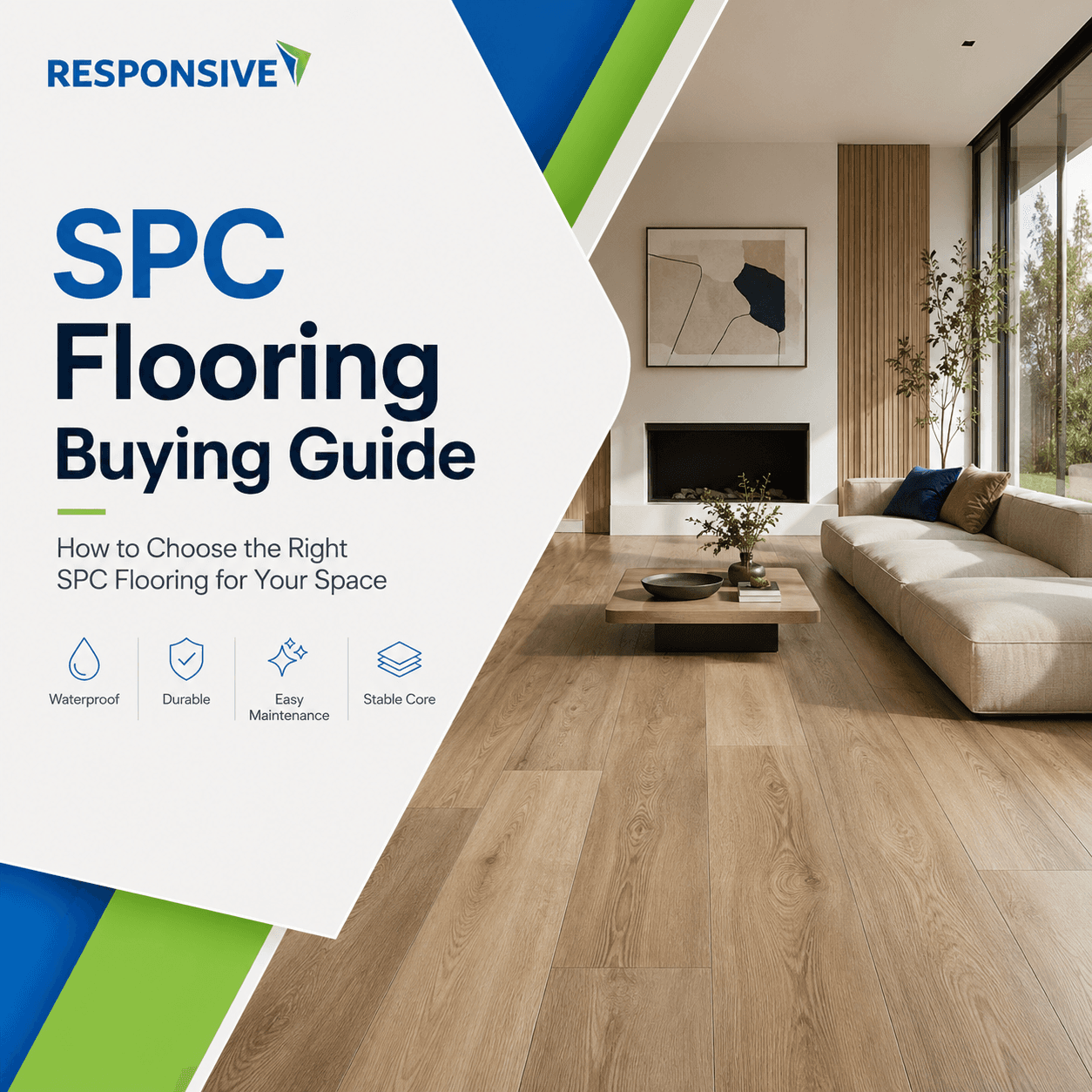
SPC Flooring Buying Guide: How to Choose the Right SPC Flooring for Your Space
Choosing the right flooring is one of the most important decisions in any interior project. A floor is not only about looks. It affects comfort, maintenance, durability, safety and the overall experience of the space. Whether you are planning a home, office, hotel, retail store or commercial project, the flooring should match both your design style and daily usage needs.
SPC flooring has become a popular choice for modern interiors because it offers a premium appearance, strong performance and easy maintenance. It gives the look of natural wood or stone while being practical for everyday use. But before buying SPC flooring, it is important to understand a few key points that can help you make the right selection.
What is SPC Flooring?
SPC stands for Stone Plastic Composite. It is a rigid-core flooring material designed for modern residential and commercial interiors. SPC flooring is known for its strength, stability and stylish surface finishes. It is available in many designs such as light oak, natural walnut, ash wood, stone grey, beige timber, herringbone and other modern shades.
Because of its design flexibility, SPC flooring can be used in living rooms, bedrooms, offices, hotels, retail spaces, restaurants, gyms and showrooms.

1. Check the Thickness
Thickness is one of the first things to consider while choosing SPC flooring. The total thickness affects the feel and strength of the flooring. For normal residential spaces, standard thickness options can work well. For commercial areas with higher foot traffic, a higher thickness may be more suitable.
Common SPC flooring thickness options include 4.5 mm, 5 mm, 5.5 mm, 6 mm and 7 mm. The right choice depends on where the flooring will be used and how much daily movement the space will handle.
2. Understand the Wear Layer
The wear layer is the top protective layer of SPC flooring. It helps protect the design surface from scratches, stains and daily wear. This is an important specification because it affects long-term performance.
For homes and light-use areas, a 0.3 mm wear layer may be suitable. For offices, hotels, retail stores and commercial spaces, a 0.5 mm or 0.7 mm wear layer can be a better option.

3. Choose the Right Design
SPC flooring is available in many beautiful designs. Light shades can make a room look bigger and brighter, while darker tones can create a rich and premium look. Wood-look SPC flooring is ideal for warm and elegant interiors, while stone-look SPC flooring works well for modern and minimal spaces.
Before selecting a design, consider your wall color, furniture, lighting and overall interior theme. The right flooring shade can completely change the mood of a space.
4. Select Based on Usage Area
Every space has different flooring needs. For homes, comfort and design are important. For offices, the floor should look professional and handle regular movement. For hotels and retail stores, the flooring should create a premium first impression and remain easy to maintain.
SPC flooring is suitable for multiple applications, but the specification should be selected according to the project type. A bedroom may not need the same specification as a busy showroom or hotel corridor.
5. Check IXPE Backing
Some SPC flooring options come with IXPE backing. This backing can improve walking comfort and help reduce sound. It also gives the floor a better feel underfoot. For homes, offices and hospitality spaces, IXPE backing can be a useful addition.
Common IXPE backing options include 1 mm, 1.5 mm and 2 mm. The requirement depends on comfort, acoustic needs and project budget.

6. Understand Installation Requirements
SPC flooring is usually installed with a click-lock system, which makes installation faster and cleaner compared to many traditional flooring options. However, the base surface should be flat, clean and dry before installation.
Proper installation is very important for the final look and performance of the floor. Always check surface level, room measurement, expansion gap, door clearance and skirting requirements before installation.
7. Think About Maintenance
One of the biggest advantages of SPC flooring is easy maintenance. Regular sweeping, vacuuming and damp mopping are enough for daily cleaning. Avoid harsh chemicals and dragging heavy furniture directly on the floor. Using furniture pads can help protect the surface for a longer time.
With simple care, SPC flooring can maintain its appearance and performance for years.
Why Choose Responsive Industries SPC Flooring?
Responsive Industries offers modern flooring solutions designed for real project needs. The company provides SPC flooring for residential, commercial, hospitality, retail and interior projects. With multiple design options and specification choices, Responsive Industries helps architects, designers, contractors, dealers and project owners choose the right flooring for every space.
Along with SPC flooring, Responsive Industries also offers LVT flooring, Vinyl Sheet flooring and Synthetic Leather solutions for different interior applications.
Final Thoughts
SPC flooring is a smart choice for modern interiors because it combines design, durability and easy maintenance. Before buying, always check the thickness, wear layer, design, backing, installation method and usage area.
The right SPC flooring can make your space look premium, comfortable and practical for everyday use. Whether you are designing a home, office, hotel or commercial space, Responsive Industries SPC flooring can help you create interiors that are built for beauty and performance.
Looking for SPC Flooring for Your Next Project?
| Explore Responsive Industries SPC flooring and choose the right design and specification for your space. Contact Responsive Industries today to discuss your flooring requirement. |
Written by
Admin
Expert in flooring solutions with years of experience in the industry. Passionate about helping homeowners make informed decisions.